


Justin Pargeter
Lithic Miniaturization
Nationality
South African
Qualifications
BA, BSc. (Hons), MSc: University of the Witwatersrand
PhD: Stony Brook University
Affiliations
Associate Professor at the Department of Anthropology, New York University
Senior Honorary Research Fellow at the Palaeo-Research Institute, University of Johannesburg
ASAPA, SAFA, PAA


1. Describe your specialisation and what a typical "day in the field/lab" looks like for you?
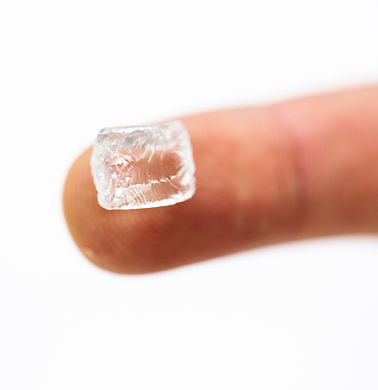
I prefer the term “lithic miniaturization”, or “miniaturized” lithics, to describe this specialization within lithic analysis, as the term “microlith” carries considerable historical baggage and definitional ambiguity. Lithic miniaturization refers to the systematic production and use of small stone cutting and piercing tools (typically <30–50 mm long) from small cores.
Approached more broadly, the study of lithic miniaturization involves two key things:
Separating purposeful from incidental processes of lithic miniaturization. Small lithics result from all efforts to flake stone. One can track the purposeful production of miniaturized lithics by examining patterns in the raw materials used, signs of use on the small implements, and systematic evidence of the use of small cores and core-management debris.
To study lithic miniaturization, one has to approach a lithic assemblage without preconceived notions about size limits to ancient humans’ use of technology. To modern-day archaeologists, many small stone artifacts may appear too small to have been used, but such assessments are largely intuitive, with only a handful of studies providing direct evidence for tool-use size thresholds. Many examples from archaeological collections and ethnohistoric case studies show that toolmakers tolerated smaller core sizes than at least some modern craft/hobby knappers and archaeologist-experimenters do. Once size thresholds have been abandoned (or at least intentionally thought through), one begins the long and arduous task of searching for the signs of systematic lithic miniaturization within a given lithic assemblage.
Most of this work occurs in the lab, well after the assemblages have been excavated. Typical labwork involves a desktop magnification lamp to help one sort and identify small cores and flakes. The sorting process follows a standard procedure to separate meaningful examples of miniaturized flakes, retouched/modified implements, and cores from lithic knapping debris. This is repeated on dozens of excavated samples to demonstrate that identified patterns are genuine. Meaningful examples of the above-mentioned categories are then photographed using specialized setups involving tripods, macro lenses, and well-lit photography stands to document what are often remarkably small implements.

2. What technical, analytical, or digital skills are important for this field?
To succeed in studying a miniaturized lithic assemblage, one must have a keen eye for detail and the tenacity to study large samples. In my experience, some students have a natural ability to pick up on the necessary production and damage patterns, while others take time to develop these skills. Regardless, the ability to find and describe such implements is a skill one can attain through consistent practice and training.
Good photography skills are essential in this field, as miniaturized lithics require very specific photographic setups to avoid blur and to focus the viewer’s attention on the requisite technical details within a photo. Such skills are put to the test when one examines a miniaturized assemblage made on quartz, where light reflectance and surface luster create all types of challenges for conventional photography. Once again, these skills can be taught. As with any lithic analysis, one’s skills in data recording, database management, statistics, and data visualization are important. One skill I wish I had is the ability to draw these small tools. If there is anyone out there with such skills, please reach out to me!

3. What qualifications, internships, or specialised training helped you break into this field?
Being able to knap is highly beneficial when studying miniaturized lithic assemblages. In the early stages of my career, I knapped a variety of raw materials, experimenting with different reduction strategies to see what the resulting cores and flakes would look like. Experimenting with bipolar reduction on quartz and crystal quartz was especially important, as many of the assemblages I first studied were made on such minerals, and reference collections were rare. Having such experience helps one connect the dynamic processes of knapping to the static results that are left behind in our assemblages. Doing so also helped me appreciate the limits of conventional size cut-offs in lithic analyses and the need to transcend such arbitrary boundaries when imagining how our ancestors engaged with rocks and minerals. Having knapped a collection, I would spend time analyzing it using conventional lithic analysis techniques, noting along the way what methods captured variance in the assemblage and which ones were inadequate for the task. The result was a system, borrowed from the work of many colleagues, that today functions to identify, describe, and communicate differences in miniaturized stone working techniques across sites and through time.

4. How does your work change or enhance our understanding of the past in a way that 'general archaeology' might miss?
When I first began studying miniaturized lithic assemblages, conventional interpretations held that the making and use of small stone tools were derived features, unique to Homo sapiens. That view has since shifted, and many archaeologists now accept, or are willing to entertain, the idea that lithic miniaturization was one of our Pleistocene ancestors' more pervasive stone-tool production strategies, and that it marks a key difference between human and non-human tool use. Reanalyzing historical lithic collections, with a focus on the smallest debris, has brought to light the consistent and pervasive use of lithic miniaturization in southern Africa, and, importantly, our ancestors’ use of previously under-recognized lithic reduction techniques such as bipolar reduction.

5. What are some unique challenges and rewards of this field?
Studying miniaturized lithic assemblages (especially those made on quartz) is exceedingly time-consuming. One faces the challenge of deciding how and why to sample such collections, as the numbers are usually enormous. Convincing the field that prehistoric tool-makers engaged in purposeful lithic miniaturization also demands a high standard of evidence, which in many cases requires high-quality photography and meticulous descriptions. One's eyesight and focus come under intense strain through this work, and I can only hope that these faculties don’t let me down anytime soon!
6. What is one resource or habit a student should adopt if they want to step into this field?
Learn to appreciate the small things in life, for it is these details that matter. Practice being attentive to the “noise” in a lithic assemblage, avoid pre-conceived notions of what may or may not have been possible in prehistoric toolmaking, and develop strong skills of observation and record keeping. Building a regular knapping practice, followed by studying one's knapped materials, will build the familiarity necessary to begin working with miniaturized archaeological lithic collections.
